November 16-19, 2026 |Hyatt Regency Houston, Houston, TX
Pre-Conference Webinars
When Nonwovens Become Medical Devices: Navigating the Regulatory Line in the U.S. and EU
Wednesday, September 30, 11:00 AM - 12:00 PM EDT
Katie Brinkman, Biocompatibility Program Manager, Hohenstein Medical
Many nonwoven textiles are developed for absorbent hygiene, wet wipes or healthcare use without the intention of becoming medical devices, but small choices in design, performance targets, materials, or product language can unintentionally trigger medical device requirements.
This webinar, from Hohenstein Institute America focuses on the real decision points where teams cross that line and what changes once additional regulatory and biological safety expectations apply. Attendees will learn how intended use, performance expectations, communications, and biocompatibility considerations shape regulatory requirements, and how to recognize these impacts early to avoid unexpected delays, redesigns, or added risk. The differences between criteria and requirements in the USA and EU will be discussed and considered.
Industry Expert: Katie Brinkman
As Biocompatibility Program Manager at Hohenstein Medical, Katie Brinkman leads the development and strategic positioning of Hohenstein’s medical device biocompatibility program, with a focus on chemical characterization, ISO 18562 gas pathway testing and ethical, non-animal assays. Through her collaborative leadership combined with scientific rigor and regulatory acumen, she helps guide companies to find the specific testing they need for their medical devices.
Katie has more than 15 years of experience in biological sciences. Prior to joining Hohenstein, Katie held senior biocompatibility roles at Cook Research, NAMSA, Abbott and Johnson & Johnson, where she authored numerous biocompatibility and toxicological risk assessment reports supporting global regulatory submissions. Her experience spans the entire medical device lifecycle — from new product development and design changes to EU MDR remediation and post-market evaluations.
Katie holds a Bachelor of Science in Biology from Mississippi University for Women and is an active member of the Society of Toxicology (SOT) and the Regulatory Affairs Professionals Society (RAPS). She is certified as a Biological Safety Specialist by NAMSA and has deep expertise in ISO 10993 and related vertical standards.

Mycelium-Based Binders and Packaging Materials: Sustainable, High-Performance Alternatives for the Hygiene Industry
Wednesday, November 12th, 11:00 AM ET
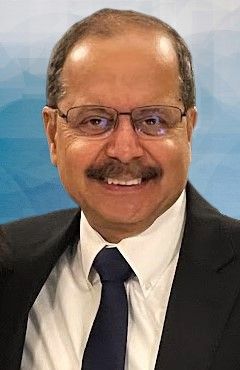
Sanjay Wahal, PhD, Founder & President, Decarbonization, LLC
Mycelium-based binders and packaging materials are emerging as scalable, biodegradable replacements for fossil-derived foams and synthetic absorbent components, offering a unique combination of functional performance, environmental benefits, and waste-to-value potential. This presentation will explore recent advances in fungal biotechnology, substrate engineering, and modular manufacturing, with a focus on valorizing cellulose-rich residues from the pulp and paper sector as feedstocks. Comparative performance data with expanded polystyrene (EPS), polyurethane (PU), and bio-based foams (PLA, PHA) demonstrate mycelium's advantages in lifecycle metrics–significantly reduced greenhouse gas emissions, lower embodied energy, rapid compostability, and the elimination of microplastic pollution.
Applications relevant to the hygiene sector—including absorbent cores, spill management materials, and protective packaging for sensitive products–will be examined alongside commercial case studies that highlight both opportunities and scale-up challenges, such as growth cycle variability, material standardization, and cold-chain requirements for spawn viability. The session will also outline research priorities in strain optimization, substrate formulation, hybrid composites, and Industry 4.0-enabled process control, as well as policy drivers like plastic bans, green public procurement, and extended producer responsibility (EPR) frameworks.
By integrating material science, industrial ecology, and market insights, this presentation will position mycelium-based systems as a viable, high-impact pathway for delivering sustainable performance in hygiene and absorbent product applications—aligning industry innovation with circular economy and decarbonization goals.
Industry Expert: Sanjay Wahal
Dr. Sanjay Wahal is a seasoned sustainability strategist, systems thinker, technology innovator, and business leader with deep expertise in decarbonization technologies, bio-based materials, and circular economy solutions. With more than three decades of experience spanning academia, research, and industry, he has been at the forefront of pioneering innovations that bridge science with commercial application—particularly in sustainable materials, engineered absorbent nonwovens, vegan leather, biopolymers, wipes, clean energy, and carbon reduction solutions. Most recently, he served as Senior Vice President of Technology Innovation at FyterTech Nonwovens.
As Founder and President of Decarbonization, LLC, an advisory and consulting firm operating at the intersection of science, innovation, AI, and market transformation, Dr. Wahal has guided startups, Fortune 500 companies, and global investors in accelerating their transition to low-carbon pathways and sustainable business models. His collaborations with leading climate-tech ventures and impact investors emphasize innovation, accountability, finance, and inclusive strategies to drive systemic decarbonization.
Dr. Wahal holds a Ph.D. and M.S. in Chemical Engineering from the University of Rhode Island, an MBA in Strategy and Innovation from Vanderbilt University, and a B.S. in Chemical Engineering from the Indian Institute of Technology (IIT) Kanpur. He began his professional journey as a Postdoctoral Associate at the Massachusetts Institute of Technology (MIT), working under the mentorship of Professor Robert A. Brown, a globally renowned chemical engineer and former President of Boston University. He is also the co-inventor of 21 patents, granted or pending.
His forthcoming book, The eCarbon Card Blueprint: Digital Solutions for Carbon Accountability – India as a Model, presents a data-driven, technology-centric framework to accelerate the global transition toward net-zero emissions.